


Introduction
Time is one of the most important things we have in life. It can’t be preserved, stored, or found again after it’s gone, unlike money or things. Everyone has the same twenty-four hours in a day, but some people seem to get a lot more done than others. The distinction is typically in how they use their time. This is where time management techniques become quite important. People may work smarter, stay focused, and find a better balance between their personal and professional lives if they learn about and employ the correct time management techniques.
Structured ways of managing your time help you plan, organize, and regulate how you spend your time on certain tasks. These approaches are helpful for businesspeople, students, and anybody else who wants to feel more in charge of their day. When utilized appropriately, time management techniques can help you reach your long-term goals, lower your stress levels, and get more done in less time.
This article goes into great length about time management approaches, talking about why they are important, how they operate, and how they can be used in everyday life. The language is maintained basic and professional so that everyone may understand and use these ideas well.
Understanding Why Time Management Techniques Are Important
Time management methods are vital because they let you see things more clearly when you do them every day. People often react to things instead of planning them when they don’t have a defined technique. This reactive way of doing things causes missed deadlines, more stress, and bad work. When you manage your time well, you plan ahead for chores, set clear objectives, and cut down on distractions.
Another important reason why time management is important is for your emotional health. When you don’t manage your time well, your mind stays occupied with things that need to be done. This makes people feel stressed and anxious. Having an organized way to manage your time makes you feel in control and confident. People know what they need to do and when they need to do it, which helps them stay focused and calm.
Time management techniques also help you make better choices. When you arrange your schedule, it’s easy to figure out which tasks need your attention and which ones can wait or be given to someone else. This helps people use their energy and skills better. Using time management techniques regularly over time helps you become more disciplined and dependable, which are traits that are very important in both your personal and professional life.
The Link Between Time and Work Output
Being productive doesn’t mean working longer hours; it means making the most of the time you have. A lot of people think that being busy means being productive, but that’s not necessarily the case. People may waste hours on chores that aren’t very necessary if they don’t know how to manage their time well.
Time management techniques assist in synchronizing time with objectives. When tasks are organized by how important and urgent they are, productivity naturally goes up. This alignment makes sure that energy is used on tasks that have real results. It also cuts down on time wasted on things that aren’t important, like too many meetings, too much phone use, or unplanned breaks.
Managing energy is another vital part. People are productive at different periods of the day. Some people are more productive in the morning, while others are more concentrated in the evening. Time management techniques help people be aware of their own energy levels, which makes it easier to plan projects. This makes it easier to get more done.
The Value of Old-Fashioned Time Management Techniques

People have been using traditional time management tactics for a long time, and they still work. These strategies are all about planning, scheduling, and putting activities in order of importance in a systematic way. Making daily or weekly schedules is one of the most prevalent conventional methods. People can see what they need to complete by writing down their duties and giving them time periods.
Another old-fashioned way is to set deadlines for every task, even if there isn’t one from outside. This makes you feel like you have to do something right now and stops you from putting it off. A lot of people feel that setting their own deadlines makes them more responsible and focused.
Routines are very important in traditional time management strategies. You don’t have to make the same decision over and over again when you have a routine, which saves mental energy. When you set out time for things like exercise, eating, or planning, your mind is free to work on more difficult tasks.
Time Management in a Busy World Today
New time management approaches have come about to deal with new problems as work settings and lifestyles have changed. It’s easier to get distracted now since technology, remote work, and continual connection are all around. controlling attention is just as important as controlling time in modern time management strategies.
One modern method stresses splitting work into short, focused periods with breaks in between. This technique knows that the human brain can’t stay focused for lengthy amounts of time without taking breaks. Concentration gets better and mental weariness goes down when you work in cycles.
Another current way is to make clear lines between work and personal time. Smartphones and the internet make it easy for work to spill over into personal time. Good time management techniques suggest placing limitations on how available you are to safeguard your personal time and avoid burnout.
Modern methods also promote regular self-reflection. People look back on what they did and what they didn’t do at the end of the day or week. This contemplation helps you see patterns, prepare better, and change your techniques to get better results in the future.
Prioritization as the Foundation of Time Management Techniques
All good ways to manage your time start with setting priorities. When you don’t know what your priorities are, you often waste time on chores that seem vital but aren’t really. Prioritizing helps you figure out which chores are more important than others.
One popular technique to set priorities is to look at tasks based on how important they are and when they are due. We provide immediate attention to jobs that are important and have tight deadlines. jobs that aren’t as important might be postponed for later or dropped completely. This method makes sure that time is spent on the things that matter most.
Knowing your own goals is also part of prioritization. things that help you reach your long-term goals should be more important than things that make you feel good in the short term. Time management techniques suggest that you examine your goals often so that your everyday actions stay in line with your bigger goals.
Planning Methods That Help with Time Management

One of the most important parts of time management is planning. Even the best intentions can fail if you don’t plan. Planning gives you a clear idea of how you’ll spend your time and helps you avoid stress at the last minute.
Planning for the day is all about getting things done in one day. This usually means making a list of things to do and selecting what order to do them in. Planning for the week lets you see the big picture and spread out tasks evenly over the days. This keeps things from getting too much and makes things more balanced.
Long-term planning helps you reach big goals like getting a better job, going to school, or growing as a person. Time management strategies suggest that you divide big goals down into smaller, more doable chores. This makes it easier to reach big goals over time because they don’t seem so hard.
A Look at Some of the Most Popular Ways to Manage Your Time
The table below shows a quick comparison of some of the most popular time management systems and what they focus on. This lets us see how different methods meet different needs.
| Time Management Method | Main Focus | Best Used For |
|---|---|---|
| Daily Scheduling | Task organization | Managing routine work |
| Time Blocking | Focus and structure | Deep work and planning |
| Priority-Based Planning | Importance over urgency | Goal-oriented tasks |
| Work-Break Cycles | Energy management | Reducing mental fatigue |
| Reflection and Review | Continuous improvement | Long-term effectiveness |
You can change each of these ways to manage your time to fit your own needs and work style. Some people like to stick to rigorous schedules, while others do better with plans that are more flexible.
How Students Can Manage Their Time

When it comes to managing their time, students have their own problems. There are typically academic deadlines, tests, and personal activities that need your attention. Students can better manage their time by using time management techniques.
One helpful way for students to study is to make a schedule that includes time for classes, self-study, and review. This stops people from cramming at the last minute and helps them understand better. Time management techniques also suggest taking breaks often, which can help you stay focused when you study for a long time.
Managing distractions is another key part. There are a lot of digital distractions around students, like social media and entertainment. Students learn how to make study spaces that are free of distractions and set aside particular periods for fun activities when they learn how to manage their time well.
Students learn skills that will help them throughout their lives by learning how to manage their time early on. These abilities help students do better in school and get ready for work.
Ways to Manage Your Time at Work
Time management techniques are very important for getting work done and moving on in your job. People who are good at managing their time are frequently more dependable and less stressed. They always fulfill deadlines and do a better job of handling their workloads.
Time management at work means making plans for tasks, having meetings, and setting deadlines that are possible. Planning ahead cuts down on the need for overtime and makes work better. It also gives you time to learn new skills and think outside the box.
Another crucial thing is communication. Time management techniques promote explicit communication regarding priority and due dates. This makes sure that everyone is on the same page and avoids misunderstandings. Over time, good time management leads to better teamwork and success for the organization.
Managing Your Time and Personal Life


There are ways to manage your time that don’t just apply to work or school. They are just as crucial in your personal life. Taking care of your time at home helps you find balance and get along better with others. Planning your time gives you time for family, hobbies, and rest.
Personal time management techniques suggest that you make time for your health, relaxation, and self-care. When time is not well-managed, these activities are often put off. By planning personal activities, people make sure that their health is not at risk.
Another good thing is that there is less fighting. When everyone knows what their duties and obligations are, there are less chances for misunderstandings. People can use time management techniques to let others know when they are available and to set realistic expectations.
How to Deal with Common Time Management Problems
Even though time management techniques might be helpful, a lot of people find it hard to use them all the time. One common problem is putting things off. Putting off responsibilities generally makes you more stressed and wastes time. Time management techniques deal with this by making work smaller and giving them explicit deadlines.
Another problem is having too many things to do. Burnout happens when you try to do too much in too little time. Good time management techniques stress making plans that are realistic and leave room for breaks and surprises.
Another big problem is distractions. Life today is full of disruptions. Time management techniques suggest setting limits, including having set work hours and limiting how much time you spend on digital gadgets, to help you stay focused.
Making Time Management Methods Work for You
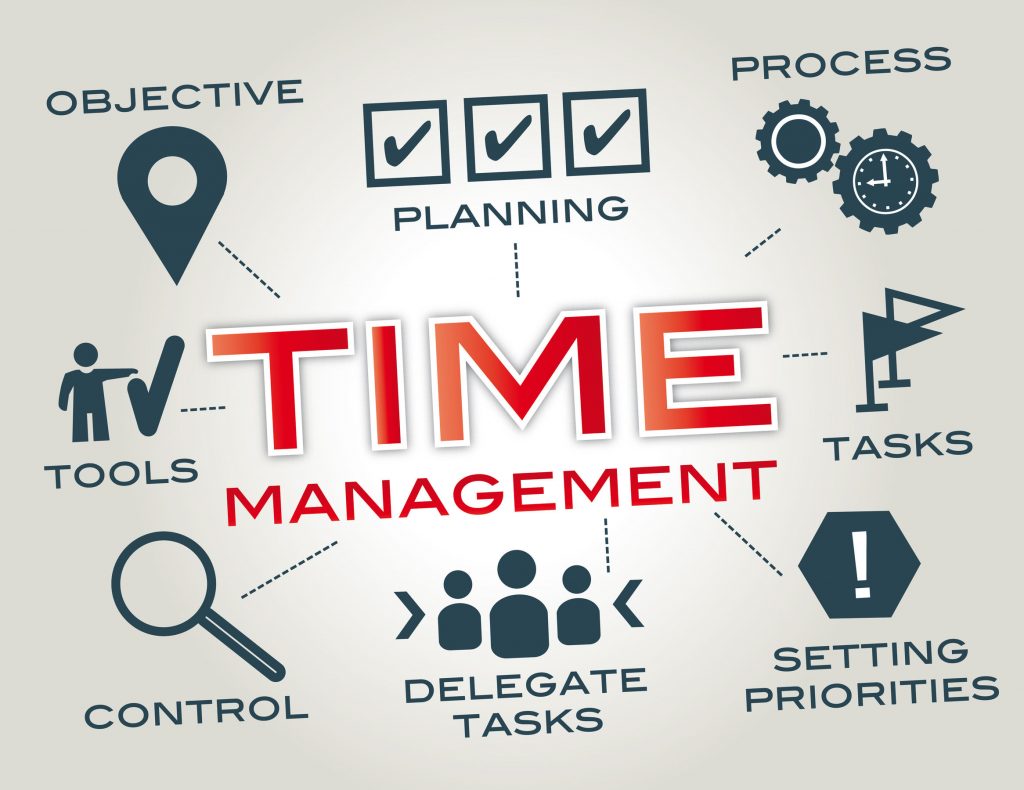
There is no one-size-fits-all solution. You should change your time management tactics to fit your own needs, work style, and obligations. Some people do better with comprehensive plans, while others do better with plans that can change.
Being conscious of yourself is important for being able to change. Knowing your own talents, weaknesses, and energy levels can help you choose the best methods. When they seem helpful instead of limiting, time management techniques work best.
It also helps to check in on a regular basis. Individuals can improve their approach by looking at what works and what doesn’t. This adaptability makes sure that things go well in the long run and stops people from getting angry.
The long-term benefits of good time management methods
Time management approaches provide long-term benefits that go beyond just getting things done each day. These approaches help you become more disciplined, confident, and strong over time. People who are good at managing their time are better able to deal with problems and changes.
Good ways to manage your time also help you grow as a person. People keep getting better at what they do by making time to learn and think. This opens up additional doors and makes life more satisfying.
Another big benefit is a better balance between work and life. When you manage your time well, work doesn’t get in the way of your personal life. This balance makes you healthier, builds stronger connections, and makes you happier.
Conclusion: Making time management techniques a part of your daily life
Methods for managing time are strong tools that help people take charge of their life. People may get more done with less stress if they plan, set priorities, and think about how they utilize their time. These strategies don’t have strict schedules; instead, they let you make choices on purpose.
Being consistent is the key to success. Using time management techniques every day, even in little ways, can bring about long-lasting improvement. These practices become second nature with time, and you use your time more wisely.
Add More:- Waste Management: Importance, Methods, and Future