


Introduction
Industrial environments often involve flammable gases, combustible vapors, and hazardous materials that require carefully designed equipment. In these locations, even a small electrical spark or excessive surface temperature can create a serious safety risk. This is why specialized automation equipment plays an important role in modern industrial operations. A flameproof electric actuator is designed to operate electrical valve-control mechanisms in hazardous areas while helping prevent internal ignition from spreading into the surrounding atmosphere when the equipment is appropriately certified and installed. These actuators are widely considered for applications in oil and gas facilities, chemical processing plants, refineries, and other industries where dependable valve automation is essential. By combining electrical control with protective enclosure construction, they can support safer operations, accurate valve positioning, and improved process efficiency. Understanding their design, operating principles, applications, and maintenance requirements helps engineers and plant operators select equipment that meets their operational and safety needs.
What Is a Flameproof Electric Actuator?
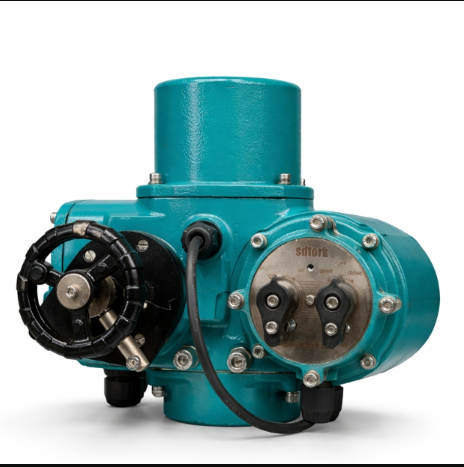
A flameproof electric actuator is an electrically powered device that converts electrical energy into mechanical movement to operate industrial valves, dampers, and other equipment in hazardous locations. Its enclosure is engineered to contain an internal ignition and prevent flames from propagating to the surrounding atmosphere under the conditions specified by its certification. This design is particularly important in areas where flammable gases or vapors may be present during normal operations or accidental releases.
Unlike standard electric actuators, flameproof models are designed for specific hazardous-area classifications and environmental conditions. They may be available with different torque ratings, control methods, enclosure protection levels, and operating speeds. Depending on the application, the actuator can provide quarter-turn or multi-turn movement. The correct selection depends on the valve type, operating pressure, required torque, process conditions, and applicable safety standards. A suitable model can improve operational consistency while supporting the safety requirements of an industrial facility.
How Does a Flameproof Electric Actuator Work?
The working principle of an electric actuator begins when a control signal or electrical command activates its motor. The motor produces rotational movement, which passes through a gearbox or transmission mechanism to generate the required output torque. This torque operates the connected valve, allowing it to open, close, or move toward a designated position. Depending on the actuator design, the equipment may use limit switches, position sensors, torque switches, or electronic control systems to monitor movement and prevent operation beyond configured limits.
The flameproof enclosure provides an additional layer of protection for hazardous-area use. It is constructed and tested according to the requirements of the applicable protection concept and certification. The enclosure must not be treated as a universal guarantee against ignition; the entire installation must be suitable for the specific gas group, temperature classification, ambient conditions, and zone or division requirements. Correct cable entries, certified accessories, grounding, and installation procedures are also essential to maintaining the intended protection.
Key Features of Flameproof Electric Actuators
One of the most important features of these actuators is their specially engineered enclosure. Depending on the certified design, the enclosure can withstand internal ignition and prevent flame transmission to the external atmosphere. This makes it suitable for specified hazardous environments when all installation and operating requirements are followed.
Another important feature is the availability of different torque capacities and movement configurations. Some models are intended for quarter-turn valves, such as butterfly and ball valves, while others support multi-turn valves, including gate and globe valves. Many designs offer manual override facilities for selected operating situations, along with local controls, remote operation, and position feedback. Advanced models may also support communication with distributed control systems or supervisory control platforms. These features help operators monitor valve status, manage process flow, and identify abnormal operating conditions. However, the available functions vary by manufacturer, model, and certification, so product specifications should always be checked before purchasing.
Types of Flameproof Electric Actuators
Flameproof electric actuators are available in several configurations to meet different industrial requirements. Quarter-turn actuators typically rotate their output shaft through approximately 90 degrees and are commonly used with ball, butterfly, and plug valves. They are useful in applications that require relatively quick movement between open and closed positions or controlled intermediate positioning.
Multi-turn actuators produce multiple rotations and are generally used with valves that require repeated shaft movement. Linear-output configurations may also be available for equipment requiring straight-line motion, sometimes through a compatible transmission mechanism. In addition to movement types, actuators can differ in control design. On-off models primarily operate between defined positions, while modulating models adjust valve position in response to process-control signals. Intelligent versions may provide diagnostic information, position feedback, and configurable operating parameters. Choosing the correct configuration requires an understanding of valve mechanics, process requirements, available power, and the necessary level of automation.
Major Industrial Applications
The oil and gas industry is a major user of hazardous-area electrical equipment because facilities may handle flammable gases, crude oil, petroleum products, and volatile chemicals. Automated valves help control the movement of these materials through pipelines, storage systems, processing units, and transfer stations. In these environments, a flameproof electric actuator can provide a practical solution when its certification matches the site classification and operating conditions.
Chemical and petrochemical plants also use automated actuators to manage process fluids, regulate flow, and support controlled shutdown procedures. Refineries may require them in processing units where hazardous atmospheres can occur. Other potential applications include pharmaceutical manufacturing, paint and coating facilities, gas distribution installations, and selected industrial production areas involving combustible substances. Not every area in these facilities is necessarily hazardous, and the appropriate equipment depends on a formal assessment of the location. Correct application engineering ensures that the actuator is suitable for the process and does not introduce unnecessary operational or safety risks.
Benefits of Using Flameproof Electric Actuators
A key benefit of flameproof electric actuators is their ability to support electrical automation in designated hazardous locations. By using equipment designed and certified for the intended atmosphere, facilities can reduce ignition risks associated with unsuitable electrical devices. Their integration with control systems can also reduce the need for routine manual valve operation in difficult-to-access or potentially hazardous areas.
Another advantage is operational consistency. Automated movement can help valves reach defined positions repeatedly, supporting process stability and reducing errors associated with manual operation. Remote-control capabilities can improve operator convenience, while position feedback may help control-room personnel confirm valve status. Depending on the model, diagnostic functions can assist with maintenance planning by identifying certain faults or abnormal operating conditions. These benefits do not eliminate the need for risk assessment, inspection, or emergency procedures. Instead, they contribute to a broader safety and automation strategy when supported by suitable engineering, installation, and maintenance practices.
Important Factors When Selecting an Actuator
Selecting an appropriate actuator requires more than comparing purchase prices or motor power. Engineers should first determine the valve’s required operating torque, including the effects of pressure, temperature, friction, seating requirements, and possible changes during service. The actuator must provide adequate output torque without exceeding the mechanical limits of the valve or connected equipment. Operating time, duty cycle, frequency of operation, and the required control method should also be evaluated.
Hazardous-area certification is another critical consideration. The equipment must match the applicable zone or division, gas or dust group, temperature class, and ambient conditions. Buyers should also review the ingress protection rating, corrosion resistance, supply voltage, cable-entry arrangements, and compatibility with existing control systems. Where safety functions are required, the relevant functional-safety specifications must be assessed separately. Reviewing these factors with a qualified engineer helps ensure that the selected actuator is appropriate for the intended installation and can operate reliably throughout its service life.
Installation and Safety Considerations
Proper installation is essential for maintaining the safety and performance of a flameproof electric actuator. Before installation, qualified personnel should verify the product’s certification, nameplate information, electrical requirements, mechanical compatibility, and permitted environmental conditions. The mounting arrangement must align correctly with the valve, and the actuator should be secured according to the manufacturer’s instructions. Incorrect alignment or unsuitable mounting can increase mechanical stress and lead to premature equipment failure.
Electrical connections must follow the certified installation instructions and applicable local regulations. Cable glands, stopping plugs, adapters, and other accessories must be suitable for the equipment’s protection concept and hazardous-area classification. Enclosure joints, fasteners, seals, and flame paths must not be modified, damaged, or obstructed. Power should be isolated before authorized maintenance or electrical work, and personnel should follow the facility’s permit-to-work and hazardous-area procedures. Installation and inspection should be carried out by trained professionals familiar with the relevant standards and equipment requirements.
Maintenance and Troubleshooting
Regular maintenance helps preserve actuator reliability and identify potential problems before they cause an operational interruption. Inspection schedules should follow the manufacturer’s recommendations, the applicable hazardous-area requirements, and the operating conditions of the facility. Maintenance activities may include checking mounting bolts, inspecting external surfaces for corrosion or damage, verifying electrical connections, testing position feedback, and confirming that the actuator operates within its specified limits.
Common operational issues include failure to respond to control commands, incomplete valve movement, unexpected position feedback, excessive operating noise, or motor overheating. These symptoms may result from electrical supply problems, incorrect control signals, mechanical obstruction, excessive valve torque, or internal component wear. Troubleshooting should begin with safe isolation and a systematic review of the relevant system. Personnel must never open a flameproof enclosure in a hazardous atmosphere or while energized when prohibited by the equipment instructions and site procedures. Any repair involving certified flame paths or enclosure components should be performed using approved methods and parts to preserve the equipment’s protection characteristics.
Flameproof Electric Actuators and Industrial Automation
Modern industrial automation increasingly depends on reliable communication between field equipment and centralized control systems. Electric actuators can contribute to this approach by providing remote commands, valve-position feedback, and selected diagnostic information. When integrated correctly, these capabilities help operators monitor process conditions and coordinate equipment across large facilities.
A flameproof electric actuator may support conventional control wiring or more advanced communication arrangements, depending on its design. Some models can connect to programmable logic controllers or distributed control systems, allowing automated sequences and coordinated process adjustments. Intelligent actuator functions may also help maintenance teams review operating data and detect certain developing issues. However, communication capability should not be confused with hazardous-area protection or functional safety. Each requirement must be verified independently, and any networked installation should include suitable access controls and system-level safeguards. Careful integration can improve visibility and operational efficiency without compromising the safety requirements of the facility.
Conclusion
Flameproof electric actuators are important components in industrial facilities that require dependable electrical valve automation in potentially explosive atmospheres. Their specialized enclosures, available control options, and range of movement configurations make them suitable for various applications in oil and gas, chemical processing, refining, and other industries. When properly selected, installed, and maintained, they can support consistent valve operation, remote monitoring, and improved process management.
Choosing the right equipment requires careful evaluation of torque, valve compatibility, control requirements, environmental conditions, and hazardous-area certification. Regular inspections and qualified maintenance are equally important for preserving performance and protection. Ultimately, the value of a flameproof electric actuator depends not only on its design but also on how effectively it is integrated into the facility’s overall safety and automation systems. A well-engineered selection process helps organizations achieve reliable operation while meeting applicable technical and safety requirements.