

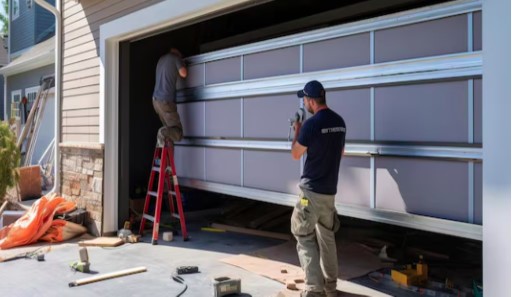

A residential entrance system is a complex mechanical assembly that requires consistent attention to remain in peak operating condition. Because it is often the largest moving object in a home, its durability depends on a combination of regular homeowner maintenance and professional oversight.
By implementing a structured care routine, you can ensure that your garage doors operate smoothly for decades, preventing the need for an expensive premature replacement.
Understanding the factors that contribute to mechanical wear and environmental degradation is the first step toward preserving the long-term integrity of your home’s primary entry point.
Establishing a Routine Inspection Schedule
The most effective way to prevent major failures is to catch small issues before they escalate. Homeowners should perform a visual inspection of the entire system every few months, looking for signs of wear on the cables, rollers, and hinges.
Pay close attention to the sound of the motor and the movement of the panels; any grinding, scraping, or jerking could indicate a misalignment or a lack of lubrication.
Regularly checking the hardware for loose bolts and tightening them ensures that the structural frame remains stable, which is essential for the smooth travel of all garage doors over time.
Precision Tuning with Professional Residential Garage Door Services
While basic visual checks are helpful, the high-tension components of the system require the expertise of trained technicians. Engaging professional residential garage door services at least once a year is a vital investment in the longevity of the unit.
These experts can perform a balance test to ensure the springs are under the correct amount of tension, which prevents the opener motor from burning out.
Furthermore, residential garage door services include a comprehensive safety check of the auto-reverse sensors and mechanical limits, ensuring the system remains safe for every member of the household.
Implementing a Consistent Lubrication Program
Metal-on-metal contact is a primary cause of mechanical fatigue and noise. To reduce friction, it is important to apply a high-quality silicone or lithium-based spray to the rollers, hinges, and torsion springs.
Unlike heavy grease, which can attract dirt and cause clogs, a light spray keeps the parts moving freely and protects them from rust.
Keeping the tracks clean and the moving parts well-lubricated significantly reduces the workload on the automated opener. This simple task can add years of life to the internal gears and drive belts of most garage doors.
Protecting Exterior Panels from Environmental Damage
The lifespan of the door is not just about the internal mechanics; it also depends on the condition of the exterior surfaces. Depending on the material, whether it be steel, aluminum, or wood, regular cleaning is necessary to remove corrosive salts and dirt.
For wooden models, maintaining a fresh coat of paint or sealant prevents rot and warping caused by moisture. For metal versions, a simple wash with mild soap and water prevents the finish from fading or rusting.
Maintaining the surface integrity ensures that the garage doors remain aesthetically pleasing and structurally sound.
Replacing Worn Weatherstripping and Seals
The rubber seals at the bottom and sides of the door play a crucial role in protecting the internal mechanism from the elements. Cracked or missing weatherstripping allows rain, snow, and debris to enter the garage, which can lead to rusted tracks and damaged electrical components.
Replacing these seals whenever they show signs of brittleness or wear helps maintain a stable internal environment. This not only protects the hardware but also improves the energy efficiency of the home by preventing drafts from entering the main living areas through the garage.