


Introduction
When you’re stressed, unsure, or think you’re in danger, it’s normal for people to feel anxious. It can help people stay awake, focused, and ready when they take tiny doses. But when anxiety lasts for a long time, is too much, or is not in line with the situation, it can affect relationships, work performance, and general health. Managing anxiety means learning about it and implementing practical methods to lessen its effects, get your emotions back in balance, and enhance your quality of life.
Anxiety is becoming more and more widespread in today’s fast-paced environment. Ongoing stress can come from a lot of things, such schoolwork, job insecurity, money problems, health worries, and being always online. Managing anxiety doesn’t mean getting rid of it completely, because that’s not feasible or necessary. Instead, it teaches you how to deal with worry in healthy and helpful ways.
This article is a thorough and easy-to-read guide to dealing with anxiety. It explains what anxiety is, why it happens, how it affects the mind and body, and what evidence-based methods can help you deal with it in a healthy way. The wording is straightforward and professional so that everyone may understand it.
What anxiety is and what it does
Anxiety is closely related to the body’s system for staying alive. The brain engages the nerve system when it senses danger, which releases stress hormones like cortisol and adrenaline. This reaction gets the body ready to act fast, which is commonly called the fight-or-flight response. This response is useful and protective in the near term.
The brain causes problems when it thinks there are risks when there aren’t any or when it stays on high alert all the time. Long-term stress from chronic worry can cause both mental and physical health problems. The first step in managing anxiety is to realize that it is not a sign of weakness or failure. It is a biological reaction that can be controlled with comprehension and practice.
Typical Forms of Anxiety Experiences
Anxiety may show itself in a lot of different ways, and not everyone feels it the same way. Some people are always worried, while others have unexpected bouts of extreme anxiety. Different people have different ways of dealing with their anxiety, depending on how it affects their life.
People with generalized anxiety worry about ordinary things all the time, even when there isn’t anything to worry about. The dread of being judged or embarrassed in social circumstances is what social anxiety is all about. People with panic-related anxiety often have abrupt and severe physical symptoms such a fast heartbeat, trouble breathing, and dizziness. Situational anxiety can occur during particular events, including exams, interviews, or travel.
Knowing what kind of anxiety you have is a crucial part of managing it since it lets you pick the best ways to deal with your problems.
How Anxiety Affects the Body and Mind
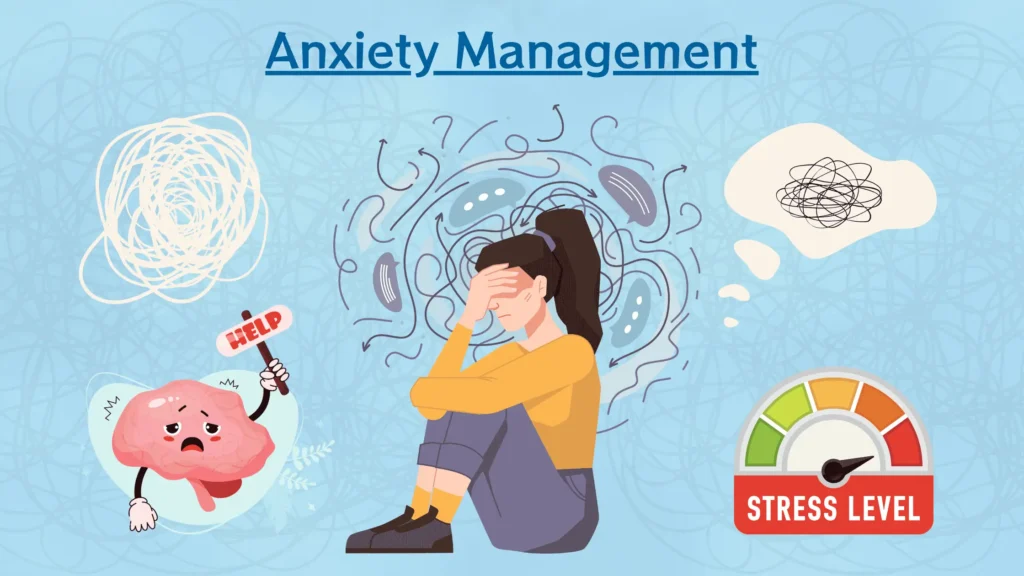
Anxiety is not confined to ideas alone. It has an effect on the whole body because of how the brain, neurological system, and hormones work together. Anxiety can make you worry too much, have racing thoughts, have trouble focusing, be irritable, and be afraid of losing control. It can make you feel anxious, tense, or scared.
Anxiety can make you feel physically bad by making your muscles tense, giving you headaches, making your stomach hurt, making you tired, sweating, shaking, and changing your sleep habits. If you don’t manage your anxiety, it can weaken your immune system, make it harder for you to digest food, and make you more likely to get chronic illnesses.
When you manage your anxiety well, you deal with both mental and physical symptoms. This is because the mind and body work together as a connected system.
How important it is to deal with anxiety early
Sometimes, ignoring anxiety or thinking it will go away on its own can make things worse. Managing anxiety early on can help keep symptoms from getting worse or lasting longer. People are more likely to stick to good routines, work habits, and relationships when they deal with their anxiety early on.
Managing anxiety also makes you stronger emotionally. It shows people how to stay calm under stress, deal with change, and bounce back faster from setbacks. These abilities are good for your mental health in general, not just for dealing with anxiety.
Basic Rules for Dealing with Anxiety

There is no one-size-fits-all way to deal with anxiety. It usually takes a mix of being conscious of the problem, changing your lifestyle, using mental strategies, and sometimes getting help from a professional. The idea is not to get rid of anxious thoughts, but to change how you think about them.
Instead of short cures, good anxiety treatment focuses on consistency. Small modifications that you do every day generally have longer-lasting effects than big improvements. You need to be patient because progress may be slow.
Daily habits that help you deal with anxiety
The way the nervous system reacts to stress is greatly affected by daily behaviors. Sleep is one of the most vital things. Not getting enough sleep might make you more emotionally reactive and make it harder for your brain to deal with concern. Setting a regular sleep schedule helps with anxiety by giving the brain time to repair and heal.
Food can also affect how anxious you are. A healthy diet helps keep blood sugar levels constant and improves brain function. Too much sugar and caffeine can make you more restless and anxious, which makes it harder to deal with worry.
Another important part is being active. Moving around on a regular basis releases endorphins, which naturally lower tension and make you feel better. Exercise also helps the body deal with stress better by making it less sensitive to anxiety triggers.
Mental Strategies Employed in Anxiety Management

Thought patterns have a big effect on anxiety. People with anxiety typically think in a way that makes them believe the worse will happen. To control anxiety, you need to learn how to spot these tendencies and gently question them.
Mindfulness is a common method that helps people be aware of the current moment without judging it. Mindfulness helps soothe the nervous system by getting you to focus on what’s happening right now instead of worrying about the future. Mindfulness practice on a regular basis can help lessen the severity and frequency of anxious thoughts.
Another useful way to deal with worry is to learn how to breathe properly. When you breathe slowly and deeply, your brain gets the message that your body is safe, which helps turn off the stress response. Over time, controlled breathing can become a natural way to deal with situations that make you anxious.
Managing anxiety and controlling emotions
Emotional regulation is the ability to recognize, show, and deal with feelings in a healthy way. When feelings are pushed down or ignored, anxiety frequently gets worse. A big element of managing anxiety is learning how to recognize your feelings without acting on them right away.
Writing in a journal can help you deal with nervous thoughts by putting them into words. People can get a better understanding of their anxiety and see patterns in it by writing. Being aware of your feelings also makes it simpler to say what you need and set limits, which lowers stress.
The Role of Social Support in Managing Anxiety
A strong connection with other people can help you deal with anxiety. Supportive connections provide you comfort, understanding, and a sense of belonging. Talking about anxiety with people you trust can help you feel less alone and ashamed.
You don’t have to do everything by yourself to control your anxiety. Getting support from family, friends, or community groups can help you deal with problems better and feel better emotionally.
How to Handle Anxiety in a Professional Way
Some people may need professional help to deal with their anxiety. Mental health experts utilize structured methods to help patients deal with and understand their anxiety. Therapy gives you a safe place to look into what might be causing your anxiety and come up with your own ways to deal with it.
Professional anxiety management is more about creating skills than making people dependent. The goal is to provide people tools they can utilize on their own over time.
A look at different ways to deal with anxiety
The table below shows how some common ways to deal with anxiety compare to each other and what their main focus is.
| Anxiety Management Approach | Primary Focus | Typical Benefits |
|---|---|---|
| Lifestyle adjustments | Sleep, diet, exercise | Improves overall resilience |
| Mindfulness practices | Present-moment awareness | Reduces rumination |
| Cognitive techniques | Thought patterns | Improves emotional control |
| Relaxation methods | Nervous system regulation | Lowers physical tension |
| Professional support | Structured guidance | Long-term coping skills |
This comparison shows that anxiety management works better when you use more than one treatment instead of just one.
Managing anxiety at work and at school
Places like work and school are common places where people feel anxious. Deadlines, evaluations, and high expectations for performance can all cause long-term stress. Setting reasonable goals, managing your time, and being kind to yourself are all important parts of managing anxiety in these situations.
You can feel less overwhelmed by breaking chores down into smaller steps. Short breaks help you refocus and keep your mind from getting tired. Knowing that you can’t always be flawless helps you have more realistic expectations and lowers your stress.
How to Deal with Anxiety in Social Situations
Social anxiety can make it hard to talk to others and make you feel like you’re going to die. To manage anxiety in social situations, you need to progressively improve your confidence by facing your fears and accepting yourself. Knowing that everyone makes errors helps people not be afraid of being judged.
Before social situations, using relaxation techniques and thinking about good times thereafter can help boost your confidence. These habits make it easier to deal with social situations over time.
A Long-Term Look at How to Deal with Anxiety
Managing anxiety is a process that never ends; it’s not a one-time fix. Life changes, and new things might make you stressed. People can change how they deal with their worry when they have a flexible range of tools.
Progress should be gauged by enhanced coping mechanisms rather than the total elimination of anxiety. Even modest changes in comfort, confidence, and emotional equilibrium show that you are growing in a big way.
Making a plan on how to deal with your anxiety
Finding out what makes you anxious, picking the best approaches, and using them regularly are all parts of a personal anxiety treatment plan. Being conscious of yourself is the first step in this process. People can respond proactively instead of reactively if they know when and why anxiety happens.
Keeping track of progress over time might help you stay motivated and show you which techniques work best. You can change things as needed, which makes managing anxiety a unique and changing adventure.
Conclusion: How to Live Well with Anxiety Management
Anxiety is a normal and prevalent aspect of life, but it doesn’t have to dictate your thoughts, activities, or future. Anxiety management gives you useful tools to learn more about anxiety, make it less intense, and deal with problems in a calmer and clearer way.
People can control their anxiety in a balanced way by using a combination of good behaviors, mental skills, emotional awareness, and social support. The goal is not to be flawless, but to move toward a more tranquil and confident way of life.