


Introduction
In today’s fast-paced world, being able to manage your time well is one of the most useful skills you can learn. Everyone has the same amount of time each day, yet some people get more done, feel less stressed, and have a better work-life balance than others. A lot of the time, the difference is how well they use their time. It’s not about working more hours or racing through chores when you manage your time. It’s about making the most of the time you have, choosing priorities, and making a framework that helps you be productive and stay healthy.
This article gives a simple and useful explanation of how to manage your time. It looks at what it means, why it’s important, its concepts, practices, problems, and long-term benefits. The purpose is to help readers see how managing their time better may make their lives better, help them grow professionally, and clear their minds.
Learning about the idea of time management
Time management is the process of figuring out how much time to spend on different tasks and making a plan on how to do it. People can get more done in less time when they manage their time well, even when they feel like they don’t have enough time. It is making a conscious choice about how to spend your time on job, school, family, rest, and personal hobbies.
At its heart, time management is about being in charge. Good time management helps people take responsibility of their schedules instead than letting deadlines, distractions, or other people tell them how to spend their time. This feeling of control frequently makes people more confident and helps them do better.
People don’t have to stick to rigorous regimens when they manage their time. Instead, it’s a flexible way of doing things that changes when your goals and responsibilities change. It becomes a habit that helps you succeed in the long run when you do it often.
Why it’s important to manage your time well every day
Almost every part of life depends on good time management. If you don’t manage your time well, you could miss deadlines, feel stressed, do bad work, and have problems with other people. On the other hand, good time management gives you a sense of balance and accomplishment.
One of the most essential reasons to manage your time well is because it lowers stress. There is less strain at the last minute when chores are planned and structured. People are less stressed when they know what they need to do and when. This clarity lets the mind focus on what has to be done instead of worrying about things that aren’t done.
Managing your time better also helps you make better choices. People have enough room to think clearly and make smart decisions when they manage their time wisely. Making judgments quickly might lead to blunders, but planning ahead usually works better.
Time management helps people spend time with their families, do things they enjoy, and stay healthy in their personal lives. It makes sure that work doesn’t take up all of your time, which lets you live a more satisfying and balanced life.
How time management affects productivity

People typically think that being productive means getting more done in less time. In reality, productivity means doing the right things at the appropriate times. Time management helps people be more productive by helping them figure out what is most important and focus on the things that really matter.
When you manage your time well, you have fewer distractions. This helps you focus more and do better work. Time management helps you focus on one task at a time instead of trying to do many things at once, which can make you less productive.
Managing your time also helps you develop goals that are possible to reach. People can better arrange their days if they know how long things will take. This keeps schedules from being too full and stops the aggravation that comes from not finishing tasks.
Good time management develops momentum over time. When people finish projects on time, they feel like they’re making progress, which keeps them motivated to continue productive and work toward their goals.
Important Rules for Managing Your Time Well
There are a few basic rules that make time management work. These rules help people plan and use their time during the day.
Prioritization is an important rule. Not all tasks are equally important or urgent. To manage your time well, you need to figure out which things are most important and do them first. This makes sure that important tasks get the attention they need.
Planning is another important idea. Planning gives you a plan for the day, week, or month. Planning chores ahead of time helps avoid confusion and wasted time. Planning also makes room for things that come up without messing up the whole timetable.
Another important rule is to be consistent. The greatest way to learn how to manage your time is to do it often. Small, regular attempts to manage your time will help you build good habits and get better results over time.
A Look at Some Common Ways to Manage Time
There are various ways to help you manage your time, and each person may choose a different method based on how they live and work. How effectively a technique works depends on how well it matches with your requirements and habits.
A common way to do this is to break projects down into smaller, more manageable pieces. When a task is too big, it might be hard to get started, which leads to procrastination. Making things smaller makes it easier to start and finish them.
Another method is to set deadlines for tasks. Giving each task a certain amount of time to complete helps you stay focused and keeps things from going longer than they need to. This method also helps keep your energy up all day long.
Another crucial time management skill is to plan regular breaks. Working nonstop can make you less focused and more tired. Taking breaks on purpose might help you stay productive and clear your thoughts.
Managing your time at work
Time management is strongly related to how well you do your job and how far you can go in your career. People who are good at managing their time are often considered as trustworthy and productive. They fulfill deadlines, do their jobs well, and are better at dealing with changes.
Time management helps those who work keep track of many jobs and projects at once. By making a timetable for their work, individuals may give each task the right amount of time without feeling overwhelmed. This results in higher quality work and fewer mistakes.
If you don’t manage them well, meetings, emails, and other administrative activities can take up a lot of time. Setting limits and giving certain times for these kinds of activities are important parts of good time management. This makes sure that the most important job gets enough attention.
Time management is even more important when you are in charge. Leaders who know how to manage their time properly may better lead teams, make smart choices, and keep a clear picture of the organization’s goals.
Managing Time for Students and Learners

Time management is very important for pupils to do well in school and grow as people. You need to plan carefully to manage your study time, classes, homework, and other activities.
Students who manage their time well don’t have to study at the last minute or rush through their work. Learning is more effective and less stressful when you spread out your study sessions. This method also helps you remember things better and understand them better.
Time management also helps pupils learn how to be responsible and self-disciplined. These abilities are useful not just in school but also in your future work and personal life.
Students who know how to manage their time well generally have more time to relax and do things they enjoy. This balance is good for mental health and keeps you from being burned out during busy times in school.
Time Management Problems That Happen a Lot


Many people have trouble managing their time, even if it is important. Knowing what problems people usually face can help you identify useful answers.
One of the major problems in managing your time well is putting things off. Putting off jobs typically makes them more stressful and lowers the quality of the work. Fear of failing, not being motivated, or not knowing what you want to do can all make you put things off.
Another big problem is distractions. It’s easy to lose attention when you’re using digital devices, social media, and getting regular updates. These distractions take up valuable time and make you less productive if you don’t set clear limits.
Bad planning also makes it harder to manage your time. When duties aren’t clearly specified or scheduled, people often squander time figuring out what to do next. Because there isn’t any organization, people get confused and miss deadlines.
Ways to Deal with Problems with Time Management
To get better at managing your time, you need to be aware of the problems and work on them all the time. The first step to become better is to recognize your own habits and routines.
Setting clear and realistic goals can help you stop putting things off. Tasks seem easier and more motivating when goals are clear and possible to reach. Writing down your goals also makes you more responsible.
Making a timetable for every day or week makes planning better. A written timetable makes things clearer and gives you direction, which helps you stay on track. It also helps you keep track of your progress and find areas where you can improve.
Another good method is to cut down on distractions. Setting aside certain periods to read texts or social media can help you stay focused on crucial work. Having a separate place to work can also help you focus better.
How Self-Discipline Helps You Manage Your Time
Self-discipline is very important for managing time well. You need discipline to follow through on even the greatest intentions. Planning is simply one part of time management; following through on plans is just as important.
Self-discipline helps people keep focused on their goals and stay away from anything that can distract them. It lets people do vital things even when they don’t feel like it. Over time, self-discipline makes it easier to manage your time.
It takes practice to learn self-discipline. Making tiny changes, like following a schedule for a brief time, can help you feel more confident. These little things add up over time to give you more control.
How managing your time can help your mental and physical health
Managing your time well is good for both your mental and physical wellbeing. If you manage your time well, you’ll feel less stressed and better overall.
Some mental health benefits are less anxiety and better attention. Knowing that things are in order and under control makes you feel peaceful. This mental clarity helps you make better choices and feel more balanced emotionally.
Managing your time well can also help your health. Planning time for food, exercise, and sleep makes ensuring that health is not forgotten. Having regular routines helps you sleep better and have more energy.
Time management helps you live a healthier and happier life by lowering stress and encouraging balance.
Managing your time and reaching your long-term goals
To reach long-term goals, you typically have to work hard for a long time. Time management gives you the framework you need to work toward these goals without feeling stressed out.
Making long-term goals into smaller steps makes them easier to reach. Time management lets you set aside regular time for these milestones, which keeps you moving forward.
For long-term success, you need to be consistent. Managing your time helps you take regular action, which over time leads to big changes. Managing your time well makes the journey easier, whether your aim is to get ahead in your job, learn new skills, or improve as a person.
A Quick Look at Bad and Good Time Management
The table below shows the distinctions between bad and good time management to help you understand better.
| Aspect | Poor Time Management | Effective Time Management |
|---|---|---|
| Planning | Tasks are unplanned or unclear | Tasks are planned and organized |
| Stress Level | High stress and pressure | Lower stress and better control |
| Productivity | Low due to distractions | High due to focused work |
| Work Quality | Often rushed and inconsistent | Consistent and high-quality |
| Work-Life Balance | Imbalanced and exhausting | Balanced and sustainable |
This contrast highlights how managing your time affects both your daily life and your overall performance.
Creating a Time Management Habit That Lasts
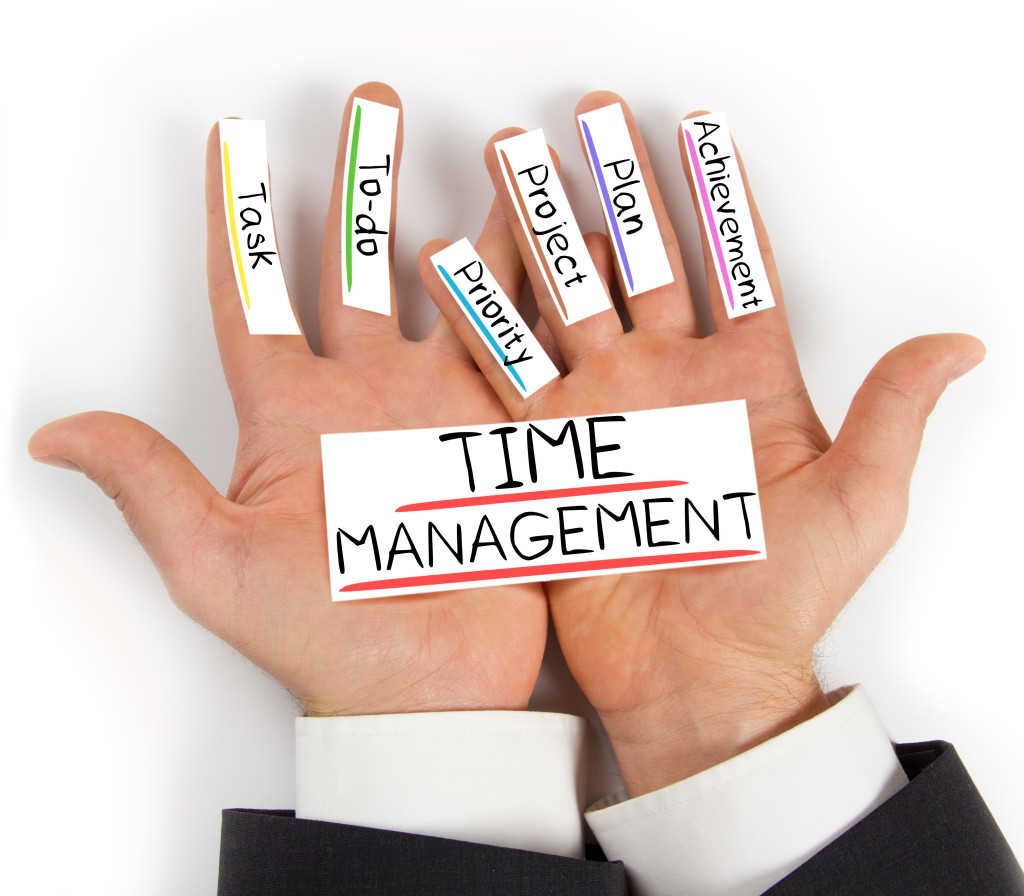
When time management becomes a habit instead than a one-time effort, it works best. You need to be patient and dedicated to build a habit that will last.
Making adjustments that are possible to make is more likely to work. Small changes to routines can lead to gradual improvement instead of fully changing them overnight. Regularly looking over progress helps figure out what is working and what needs to be changed.
It’s also crucial to be flexible. Life is full of surprises, and plans may need to change. Good time management lets you change plans without losing sight of what’s most important.
With enough effort, time management becomes a normal aspect of life.
Conclusion: Learning how to manage your time for life
Time management is more than simply a way to get things done; it’s a skill that helps you grow as a person, do well at work, and feel good overall. People can take more control of their time by learning its concepts and using practical tactics.
Managing your time well lowers stress, helps you focus, and gives you time for things that matter. It helps people reach their goals while staying healthy and balanced.
Add More:- Supply Chain Management: Concepts, Process, and Importance