


Introduction
As cities grow, people rise, and environmental issues get more attention around the world, jobs in waste management are becoming more and more vital. It’s not enough to just pick up trash and throw it away anymore. Planning, technology, environmental science, public health, and sustainability are all parts of this complicated system. As corporations, governments, and communities become more environmentally responsible, jobs in waste management are becoming more stable, relevant, and long-term.
This article talks about what waste management careers are, why they are important, the kinds of positions that are available, the skills and education needed for them, pay expectations, working conditions, problems, and future possibilities. The purpose is to give students, job seekers, and professionals who are interested in this important sector accurate and useful information.
Getting to Know Waste Management as a Job Field
Waste management is the process of collecting, moving, processing, recycling, and getting rid of trash. It also includes trying to make less trash and encouraging recycling and reuse. Jobs in this profession help safeguard the environment, improve public health, and boost the economy.
People who work in waste management deal with solid waste, liquid waste, hazardous materials, electronic waste, biological waste, and garbage from factories. Their duties differ based on their rank, but everyone works to maintain neighborhoods clean and safe.
A job in garbage management doesn’t just involve doing manual work. It has jobs in science, management, technology, and policy. People with degrees in engineering, environmental science, chemistry, business administration, and social sciences can all find good jobs in this field.
Why Waste Management Jobs Are Important
Waste management jobs are quite important in today’s world. Taking care of trash the right way keeps diseases from spreading, keeps water and soil clean, and cuts down on air pollution. People that work in this profession help run recycling plants, manage landfills, devise systems for treating trash, and come up with ways to lessen the damage to the environment.
These jobs also help the environment by encouraging recycling, composting, and turning trash into electricity. As climate change and damage to the environment become increasingly important, waste management experts are needed to make cities cleaner and more sustainable.
Waste management creates jobs for people with a wide range of skills, which is good for the economy. It creates jobs in cities and towns and helps businesses that work with recycling, manufacturing, and renewable energy.
Different kinds of jobs in waste management
There are many different types of jobs in waste management. Each job has a different focus when it comes to protecting the environment and dealing with garbage.
Roles in Collection and Operations
These jobs involve picking up trash from homes, companies, and public places and moving it to a new location. Workers make sure that trash is picked up safely and on time, following all rules and timetables. Supervisors and operations managers are in charge of teams, routes, and making ensuring that safety rules are followed.
Jobs in recycling and resource recovery
People who work at recycling facilities sift, process, and get items like paper, plastic, glass, and metals ready to be used again. Technicians run the machines, and managers are in charge of the plant’s operations and quality control. These jobs help save natural resources and cut down on the amount of trash that goes to landfills.
Roles in the environment and technology
Environmental engineers, waste treatment professionals, and laboratory technicians all work on designing and keeping waste treatment systems up and running. They look at what kinds of garbage there are, come up with ways to treat it, and make sure that getting rid of it is good for the environment.
Jobs in Management and Administration
Waste management directors, facilities managers, and project coordinators are all examples of management responsibilities. These people plan operations, keep an eye on finances, manage workers, and work with both government agencies and private contractors.
Jobs in Policy, Education, and Outreach
Some people work in policy formulation, education, and outreach to the community. They make regulations for the environment, teach people about recycling, and come up with ways to cut down on trash. These jobs are widespread in both government and non-profit organizations.
Waste Management Job Titles That Are Common
There are many various job titles in the waste management field, each with its own set of duties and levels of skill.
| Job Title | Primary Responsibilities | Typical Work Setting |
|---|---|---|
| Waste Collection Operator | Collecting and transporting waste | Urban and rural areas |
| Recycling Plant Technician | Operating and maintaining recycling equipment | Recycling facilities |
| Environmental Engineer | Designing waste treatment systems | Offices and field sites |
| Waste Management Supervisor | Managing staff and daily operations | Waste facilities |
| Sustainability Officer | Developing waste reduction strategies | Corporate or government offices |
| Hazardous Waste Specialist | Handling and treating dangerous waste | Industrial plants |
| Landfill Manager | Overseeing landfill operations | Landfill sites |
This table shows how different waste management jobs may be, from jobs in the field to those in an office.
What kind of education and qualifications are needed
The type of job in waste management determines the level of education needed. Most entry-level jobs, such rubbish collection or sorting, only need a high school diploma and little training on the job. These jobs put a lot of emphasis on being physically fit, being conscious of safety, and being dependable.
Most technical and professional jobs require a degree. Most environmental engineers need to have a bachelor’s degree in either engineering or environmental science. Laboratory technicians may need a degree or diploma in chemistry or biology. Management jobs frequently prefer those who have degrees in business administration, environmental management, or public administration.
Getting certified or going through a training program can help you get a job. Safety training, certification in handling hazardous materials, and seminars on following environmental rules are useful for many jobs. It’s crucial to keep studying because rules and technologies change all the time.
What skills you need to work in waste management
People who work in waste management need to have a balance of technical knowledge, practical skills, and personal traits. Most jobs require you to know about environmental laws, safety rules, and how to treat trash.
Waste management typically requires dealing with unanticipated problems, such equipment malfunctions or environmental dangers. That’s why it’s necessary to be able to solve problems. Communication skills are also important, especially for managers, supervisors, and outreach workers who work with teams, the public, and other people.
For jobs in the field, you need to be physically fit, and for technical and engineering jobs, you need to be able to think analytically. Paying attention to the little things helps make sure that safety and environmental rules are followed.
Conditions and Environment of Work
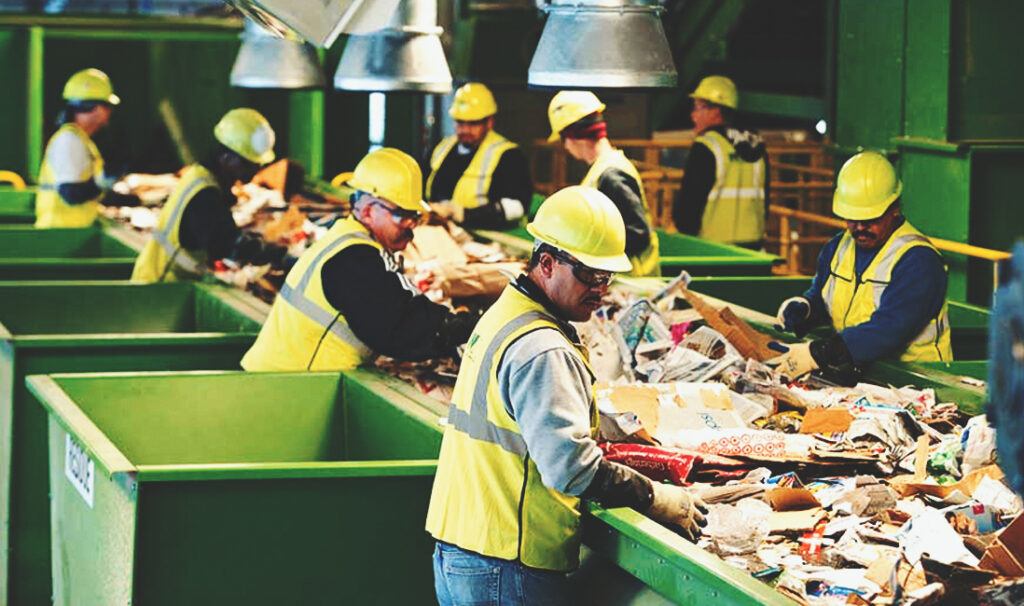
The working conditions for waste management jobs might be very different from one another. Field laborers generally work outside in all kinds of weather and may have shifts in the morning or at night. People often employ safety gear to lower their health hazards.
Most of the time, technical and managerial professionals operate in offices, labs, or controlled industrial settings. These jobs may require going to sites, inspecting them, and interacting with stakeholders.
Some jobs might be physically taxing, but many companies spend money on safety training and new equipment to make the work environment better. Many professionals are motivated by the idea that they are helping to protect the environment and public health.
Pay and the ability to make money
The pay for jobs in waste management varies based on degree, experience, work position, and region. Entry-level jobs usually pay low earnings, but they generally come with job security and perks.
Because they have specific knowledge, technical jobs like environmental engineers and hazardous waste specialists normally pay more. Management and senior leadership jobs also pay well, especially in big companies or government bodies.
As professionals gain experience, get credentials, and move up to supervisory or managerial positions, they can make more money over time. The growing need for eco-friendly waste management solutions is likely to lead to sustained income growth in this industry.
Opportunities for career growth and advancement
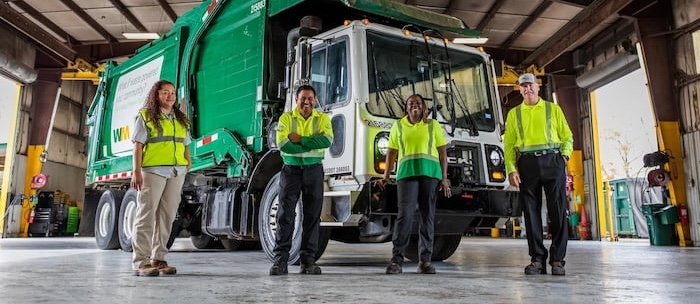

There are clear ways to move up in a profession in waste management. With experience and training, entry-level professionals can move up to supervisory jobs. Technicians can achieve higher-level technical or management jobs.
Professionals that are good at planning and leading may be able to move up to management positions at the regional or national level. Some people may focus on things like hazardous waste, recycling technology, or planning for sustainability.
After getting experience in the field, some people decide to work in consulting, research, or education. The waste management field is very broad, so people can choose their career paths based on their interests and strengths.
Problems with Waste Management Jobs

There are problems that come with working in trash management. To preserve health, certain safety rules must be followed when working with waste materials. It can be hard to follow the rules because laws and standards change all the time and are different in different places.
People’s opinions can also be a problem because people don’t always respect waste management job, even though it’s important. Professionals frequently need to teach people in their communities about the importance of recycling and safe waste disposal.
Many workers still find the field satisfying, nevertheless, because it directly helps safeguard the environment and the health of the public.
The Future of Waste Management Jobs
The future of jobs in waste management looks good because more people are concerned of the environment and there are stronger rules. As cities grow and industries grow, they produce more waste, which makes it necessary to have good management systems.
The field is changing because of new technologies. New jobs that need technical skills are being created by automation, data analysis, and waste-to-energy solutions. New ideas for recycling and the circular economy are also making more jobs available.
More and more firms and governments are putting money into sustainable practices, which helps keep jobs stable over time. As civilizations aspire toward cleaner and more sustainable ecosystems, jobs in waste management will likely always be important.
Why You Should Work in Waste Management
Working in waste management is more than just a job. It gives people a chance to help protect the environment, public health, and long-term growth. People who work in this sector directly help make communities better places to live.
There are many jobs in the field that are good for people with varying levels of education and interests. Many people find waste management appealing because it offers job security, opportunities for advancement, and the possibility to work on important causes.
Conclusion
Waste management jobs are very important in today’s world since they help keep the environment healthy and safe for everyone. There are many various jobs in the field, from collecting and recycling to designing and making policies.
As problems with the environment get worse, more and more people will want to hire skilled waste management professionals. Waste management is a good field for people who want a stable, useful, and future-oriented job. It has a strong base and a lot of room for growth.