

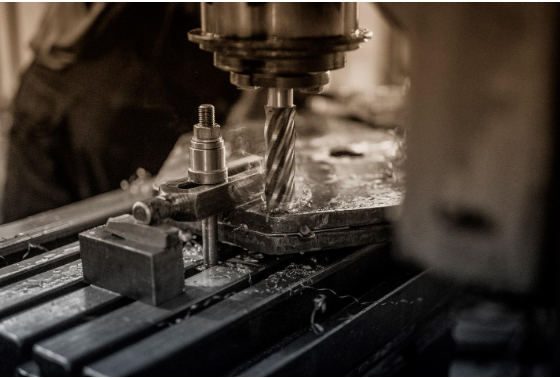

CNC milling is a machining process where computer code is used to make cuts. The process delivers precise cuts because no manual operations are required, and the mill moves according to the coding instructions.
But that precision cannot be achieved if certain mistakes are committed. The machine itself is rarely the source of problems. Most of the mistakes that lead to scrapped parts, missed tolerances, and wasted production time originate in decisions made before the spindle ever turns.
Today, we’ll talk about those mistakes and how operators can avoid them.
Poor Part Design for Manufacturability
The design stage is where costly mistakes happen (before anyone has touched a machine). Parts designed without consideration affect the entire production process.
For example, small internal corners, features with insufficient draft, inappropriate wall thicknesses, and extra-tight tolerances are all issues that add high cost. And they could have been avoided if there had been earlier collaboration between the design and machining teams.
CNC milling works best when the people doing the machining have input into the design. Receiving a drawing and being asked to make it work creates major complications down the road.
Incorrect Material Selection
Wrong material selection greatly affects machinability, surface finish, tool life, and performance of the finished parts. Some materials may seem like straightforward choices, but they create major challenges during machining.
For example, certain stainless steels harden quickly and need specific (and complex) cutting strategies. Similarly, titanium materials conduct heat poorly and require careful management of parameters to avoid tool failure. Plastics present their own set of challenges around surface quality and chip evacuation.
It’s always recommended to consider the machinability of the material to avoid risks later.
Inadequate Workholding
How a part is held during machining directly affects the dimensional accuracy and the safety of the operation. Inadequate workholding allows parts to move or vibrate under cutting forces. This creates errors that no amount of programming precision can compensate for.
This is a particularly common issue with thin-walled parts, large flat components, and complex shapes. You can improve consistency across a production run if you select appropriate workholding for each job (rather than defaulting to what is available).
Incorrect Cutting Parameters
Running the wrong speeds and depths of cut for a tooling combination will result in a poor surface finish.
Pushing parameters too hard to reduce cycle time creates heat that compromises both the tool and the workpiece. And running parameters too conservatively wastes time and can create a different set of surface-quality issues. You’ll get far better results if you use proven parameters for a specific tooling combination.
Skipping First Article Inspection
You cannot run a full production quantity without verifying that the first part meets all dimensional and surface finish requirements. It could turn even a simple problem into a big one.
A first-article inspection identifies issues with the program, setup, or tooling before they’re repeated across every part of the batch. The time spent on a thorough first-article check is always less than the time spent remaking a full production run (because an issue wasn’t caught in the beginning).
Getting CNC milling right consistently is less about the machine and more about the discipline applied to every decision that surrounds it.