


Introduction
Being able to handle stress is an important skill in today’s world. Stress affects people of all ages because of more job, money problems, too much digital information, and high personal standards. Stress can be a good thing because it can push you to do things and make you better, but too much stress can hurt your health, your mind, your relationships, and your entire quality of life. Stress management isn’t about avoiding problems; it’s about knowing how to deal with them in a healthy and balanced way.
This page goes into great length about how to deal with stress. It talks about what stress is, how it affects the body and mind, common causes, warning signals, and useful ways to deal with stress. The goal is to give people clear and valuable information that they can utilize in their daily lives.
What Stress Is and Why It Happens
Stress is how the body naturally reacts to any demand or problem. When someone thinks a situation is dangerous or too much to handle, the brain sends messages that cause both physical and emotional reactions. This response gets the body ready to respond fast, which is commonly called the fight-or-flight response.
Stress can be useful in the short term. It can help you stay focused, energized, and awake. But when stress lasts for a long time or becomes chronic, it stops being good for you and starts to hurt your body and mind. Stress management is the process of figuring out what causes stress and using ways to lessen or regulate its effects.
Stress happens because life always requires us to change. Stress can come from changes at work, family obligations, health problems, money problems, and even good things like getting married or getting a promotion. The issue occurs when the body is tense all the time and doesn’t get enough rest.
How Stress Affects Your Body and Mind
Stress isn’t just in your head. It has an effect on almost every system in the body. Stress hormones like cortisol and adrenaline can mess up regular functioning when they stay high for a long time.
Stress can cause headaches, muscle tension, exhaustion, digestive issues, trouble sleeping, and a weaker immune system. Chronic stress raises the risk of heart disease, high blood pressure, diabetes, and other significant health problems over time.
Stress can make you anxious, irritable, sad, unable to concentrate, forgetful, and feel like you can’t handle everything. It can also make you less motivated and less happy with the things you do every day. Managing stress well can help interrupt this cycle by soothing the nervous system and bringing things back into balance.
Things that make people stressed out every day
Different people have different sources of stress, but some are more common now than they used to be. Stress from work is one of the main causes. Deadlines, a lot of work, job uncertainty, not having control, and not having a good work-life balance can all make you more stressed.
Another big reason is money problems. Concerns about money, debt, savings, and unplanned costs keep people on edge. Family and relationship problems, like fights, caring for others, or not having enough support, are also quite important.
Stress related to health, whether from a long-term disease or worry of getting sick, can have a big impact on mental health. Social pressures, always comparing yourself to others on social media, and not having enough time for yourself all lead to stress. The first step in managing stress is to figure out which of these things have the biggest effect on your life.
Stress Is Getting Out of Hand: Signs
To manage stress well, you need to be able to spot the first signs of it. Stress generally builds up slowly, so it’s easy to ignore until it gets too much to handle.
Frequent headaches, stomach pain, body aches, changes in appetite, and trouble sleeping are among physical indicators. Mood swings, impatience, worry, melancholy, or feeling emotionally depleted are some indicators of emotional problems.
Unmanaged stress can also show up in changes in behavior, such avoiding social situations, putting things off, drinking more alcohol or picking up bad coping habits, and being less productive. By paying attention to these signals, you can take action before stress becomes a long-term problem.
Why It’s Important to Manage Stress
Taking care of stress is not a luxury; it’s a must for staying healthy in the long run. Managing stress well makes you physically healthier, mentally clearer, and emotionally stable. It also makes it easier to make decisions, be creative, and bounce back from tough times.
People who routinely manage their stress tend to sleep better, have stronger immune systems, have better relationships, and be happier with their lives. They learn to respond to challenges in a calm and reasoned way instead of acting on impulse.
Managing stress also helps you grow as a person. People who know how stress affects them can learn about their limits, values, and priorities, which helps them make better choices about their health.
Ways to Deal with Stress in Real Life
There isn’t one way that works for everyone. Finding ways to deal with stress that work for each person and situation is part of stress management. The best methods usually use a mix of physical, mental, and lifestyle-based measures.
Breathing exercises are among of the easiest and most effective strategies. Breathing slowly and deeply tells the neurological system to relax, which lowers heart rate and muscle tension. Mindful breathing for a few minutes every day can help you feel a lot less stressed.
Exercise is very important for managing stress. Endorphins, which are natural mood enhancers, are released when you work out. Moving around often, whether it’s walking, stretching, or doing more rigorous activities, helps relieve stress and boosts your vitality.
Sleep is another very important thing. Not getting enough sleep makes stress worse, and stress makes sleep worse, which is a bad cycle. Setting up a regular sleep schedule and making the bedroom a calm place to sleep will help you deal with stress better.
Ways to Deal with Stress Mentally and Emotionally
To manage stress, you also need to pay attention to your thoughts and feelings. How someone sees things has a big effect on how stressed they are. Stress is made worse by negative thought habits like always expecting the worse or criticizing yourself.
Being conscious of your ideas might help you question beliefs that aren’t beneficial and replace them with more balanced ones. This change in thinking makes you less emotional and more resilient.
Mindfulness practices help you stay in the moment instead of thinking about the past or worrying about the future. People can lower their mental and emotional stress by focusing on the present moment without judging it.
Healthy ways of showing your feelings also help you deal with stress. Instead of pushing feelings down, talking to people you trust, writing down your ideas, or doing creative things can help you deal with them.
How managing your time can help you deal with stress
A lot of people get stressed out because they don’t manage their time well. When there are a lot of tasks to do and deadlines are coming up, people feel more stressed and out of control. When you organize your time in a realistic way, you can handle stress better.
Setting clear priorities, breaking things down into small, doable steps, and making time for rest all help to alleviate stress. Knowing when to say no safeguards your own limits and keeps you from getting burned out.
Having a daily schedule gives you structure and predictability, which naturally lowers stress. When you plan your schedule, you have more mental space, which makes problems seem less difficult.
Stress Levels and the Choices You Make in Life
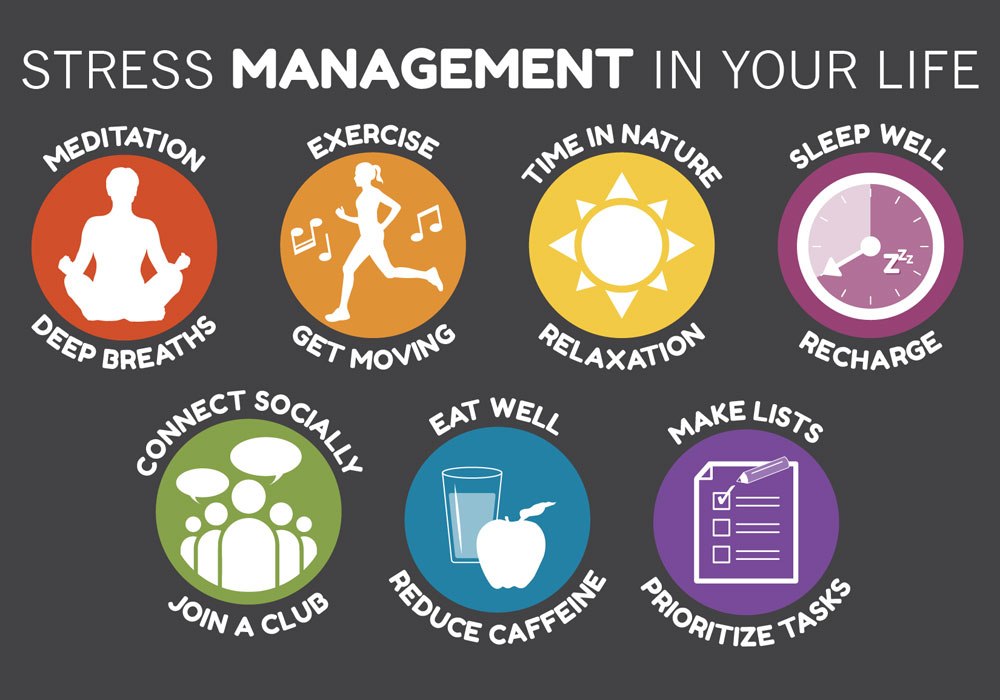
How you live your daily life has a big effect on how you deal with stress. For example, food might change your attitude and energy levels. A balanced diet helps keep blood sugar levels consistent, which helps control how the body reacts to stress.
Too much caffeine or sugar can make you more anxious and irritable, which makes it difficult to deal with stress. Drinking enough water and eating at regular times helps keep your body and mind in balance.
Digital habits can also make you feel stressed. The brain stays alert because of constant notifications, comparing oneself to others on social media, and too much information. Setting limits on technology can help you feel more at ease.
Being in nature, doing hobbies, and taking breaks are all good ways to deal with stress. These things help the mind and body remember to slow down and heal.
How to Handle Stress at Work

A lot of people deal with stress at work. Managing stress at work means making changes to both your own behavior and the environment.
Taking regular breaks, making sure everyone understands what is expected of them, and being clear about what is expected of them can all help lower work-related stress. Making your workstation comfortable and keeping a healthy balance between work and personal life are also important.
Learning how to solve problems and asking for help when you need it might help you feel less alone and less stressed. Managing stress at work not only makes people feel better, but it also makes them more productive and happy with their jobs.
Ways to Deal with Stress Over Time
Short-term respite is helpful, but to really manage stress, you need to commit to it for the long run. Building resilience implies making it easier to deal with problems without being too stressed out.
Self-reflection on a regular basis might help you find patterns of stress and ways to deal with it. People learn throughout time which conditions need to be changed and which ones need to be accepted.
Being consistent is important. Stress management tactics work best when you use them all the time, not just when you’re feeling stressed. This builds a strong base that helps both mental and physical health.
A look at different ways to deal with stress
The table below shows a quick comparison of some typical ways to deal with stress and the main benefits of each.
| Stress Management Technique | Main Benefit | Suitable For |
|---|---|---|
| Deep breathing | Calms nervous system quickly | Immediate stress relief |
| Physical exercise | Releases tension and boosts mood | Ongoing stress reduction |
| Mindfulness practice | Improves emotional awareness | Mental clarity and focus |
| Time management | Reduces overwhelm | Work and daily tasks |
| Healthy sleep routine | Restores energy | Long-term stress control |
This table shows how different methods help people deal with stress in different ways. Using more than one method frequently gives the best results.
Managing stress at different points in life
People need different ways to deal with stress at different points in their lives. Students typically feel pressure to do well in school and don’t know what the future holds. Learning how to deal with stress early on helps you feel more confident and learn how to control your emotions.
Adults may feel stressed out because of their jobs, their families, and their money problems. To keep these areas in balance, you need to be flexible and take care of yourself all the time.
Health changes, retirement, or loss can cause stress in older persons. At this stage, stress management is all about accepting things, making connections, and keeping a sense of purpose.
Knowing these differences helps you make stress management plans that work for you and your life.
When to Get Help from a Professional
Many stress management techniques may be done on your own, but there are instances when you need help from a professional. You shouldn’t dismiss tension that doesn’t go away and affects your daily life, relationships, or health.
Mental health professionals can help you figure out what’s wrong, teach you how to deal with it, and give you emotional support. Asking for help is not a sign of weakness; it is a proactive step in managing stress.
Early intervention can frequently stop stress from turning into more serious problems like anxiety disorders or depression.
Creating a lifestyle that can handle stress
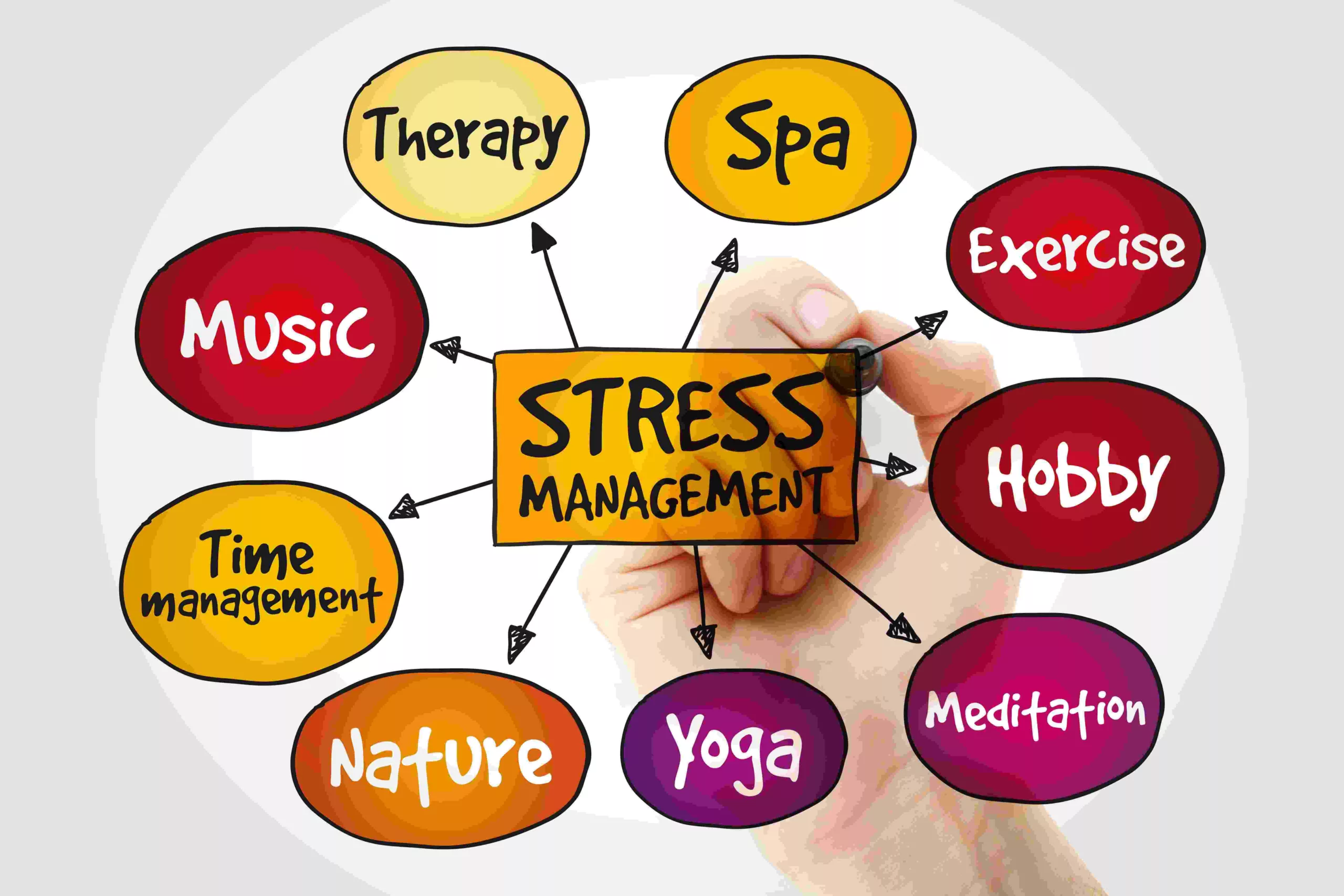
The best way to deal with stress is to make it a part of your daily life instead of just a temporary fix. A stress-resistant way of life includes frequent self-care, setting healthy limits, having meaningful relationships, and always growing as a person.
When people become more self-aware, they can spot stress early and deal with it in the right way. This builds confidence in dealing with problems and makes you less afraid of difficult circumstances over time.
Being kind to yourself is also a part of managing stress. Accepting that stress is a normal part of life and being kind to yourself when things get tough is good for your mental health.
Conclusion: How to Live Well by Managing Stress
In a world that is getting more complicated, stress management is an important ability to have. People may safeguard their health and improve their quality of life by learning what stress is, how it affects the body and mind, and how to deal with it in a healthy way.
Stress management that works doesn’t get rid of problems; it changes how they are dealt with. Stress becomes easier to handle and less overwhelming when you are aware of it, have good habits, and use useful strategies.
Add More:- Password Management: A Complete Guide for Digital Safety